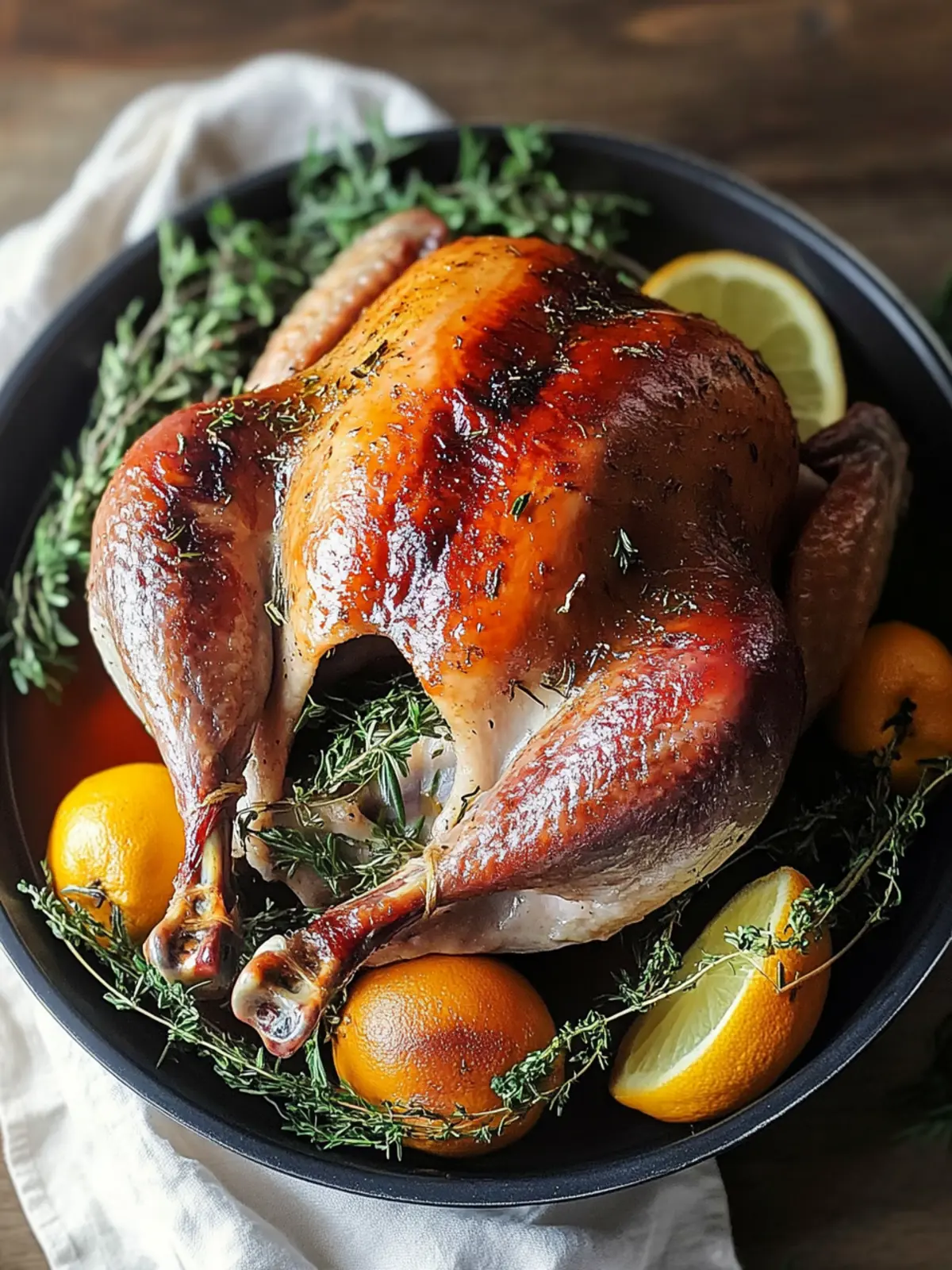
The aroma of smoked turkey filling the air is a hallmark of festive gatherings, from Thanksgiving feasts to backyard BBQs. While the smoky flavor is undeniably enticing, achieving that perfect balance of tender, juicy meat and crispy skin can often feel like a culinary tightrope walk. Many home cooks struggle with dry turkey breasts, especially after hours in a smoker. This is where the magic of a well-executed smoked turkey brine comes into play, transforming a good turkey into an unforgettable centerpiece.
Why Brine Your Smoked Turkey? The Science of Juiciness
Brining isn't just an extra step; it's a fundamental technique that guarantees a superior smoked turkey. At its core, a brine is a simple saltwater solution, often infused with aromatics, sugars, and spices. But its impact on poultry is profound, addressing the most common turkey-cooking woes:
- Unrivaled Moisture Retention: This is arguably the most critical benefit. As turkey cooks, its muscle fibers naturally contract and expel moisture. A brine works through a process called osmosis: the salt in the solution helps the turkey's muscle cells absorb water and salt. The salt then denatures the protein structure, allowing the cells to hold onto more moisture during cooking. This means even if you slightly overcook the bird, the breast meat remains incredibly tender and juicy, rather than dry and stringy.
- Deeply Infused Flavor: Beyond moisture, a good smoked turkey brine acts as a flavor delivery system. While salt penetrates deeply, carrying some of its savory goodness, the water and other soluble flavor compounds (herbs, spices, citrus zest, sugar) also get drawn into the meat. This infuses the turkey from the inside out, ensuring every bite is rich with character, far beyond what a simple rub can achieve on the surface.
- Crispier, More Appetizing Skin: While a smoker is excellent for rendering fat and crisping skin, brining gives it an extra edge. The salt in the brine interacts with the proteins on the turkey's skin, helping it to dry out more efficiently during the smoking process. This leads to a beautiful, golden-brown skin that crackles with every slice, adding a delightful textural contrast to the succulent meat below.
Think of brining as an insurance policy for your turkey. It's an extra layer of protection against culinary disaster, ensuring that your smoked turkey will be moist, flavorful, and tender, regardless of the cooking method, but especially when spending hours in the low-and-slow heat of a smoker.
Crafting the Perfect Smoked Turkey Brine Recipe
A basic turkey brine recipe doesn't need to be overly complicated, but understanding the core components allows for endless customization. Here's what you'll typically need:
Essential Brine Components:
- Salt: The cornerstone. Use kosher salt (our preference) or sea salt. Avoid iodized table salt, as it can impart an off-flavor and often contains anti-caking agents. A good ratio is generally 1 cup of kosher salt per gallon of water.
- Liquid: Water is the base. You can also experiment with chicken or vegetable broth, apple cider, or even a light beer for added depth.
- Sweetener: Sugar (brown sugar, granulated sugar), maple syrup, or honey balances the saltiness and aids in browning. About ½ to ¾ cup per gallon of liquid is a good starting point.
- Aromatics & Spices: This is where you can truly make your smoked turkey brine unique. Common additions include:
- Herbs: Fresh rosemary, thyme, sage, bay leaves.
- Citrus: Orange, lemon, or lime slices/zest.
- Spices: Whole black peppercorns, coriander seeds, allspice berries, cloves, red pepper flakes for a kick.
- Alliums: Garlic cloves (smashed), halved onions.
- Fruits: Sliced apples, cranberries can add a festive touch and subtle sweetness.
Our Go-To Smoked Turkey Brine Foundation:
For a standard 12-15 lb turkey, you'll likely need 1-2 gallons of brine, depending on your brining vessel. Adjust quantities proportionally for larger or smaller birds.
Simple yet Effective Base:
- 1 gallon water (or a mix of water/broth/cider)
- 1 cup kosher salt
- ¾ cup brown sugar
- 2-3 sprigs fresh rosemary
- 5-6 sprigs fresh thyme
- 4-5 bay leaves
- 1 head garlic, halved horizontally
- 1 tablespoon whole black peppercorns
- Optional: Orange slices, sliced apples, a few cinnamon sticks.
Instructions: To prepare, heat about 2-4 cups of your liquid with the salt, sugar, and all aromatics until the salt and sugar fully dissolve. This creates a concentrated flavor base. Remove from heat and allow to cool completely before adding the remaining cold liquid. It is crucial that your brine is completely chilled before introducing your turkey to prevent bacterial growth.
The Art of Brining: Timing and Technique for a Juicy Smoked Turkey
Getting the brine right is only half the battle; proper technique ensures optimal results without over-salting your prized bird.
Brining Duration – The Sweet Spot:
This is where many home cooks can go wrong. While a little longer is fine for massive birds, it is possible to over-brine, leading to an unpleasantly salty turkey. Our extensive experience suggests an overnight brine, typically 8-12 hours, is ideal for most turkeys found in grocery stores (12-20 lbs). Anything significantly over 12 hours tends to be too much, particularly for smaller birds.
General Guideline:
- Small turkey (under 12 lbs): 6-8 hours
- Medium turkey (12-18 lbs): 8-12 hours
- Large turkey (18-24 lbs): 10-14 hours (maximum)
Remember, this is a "set it and forget it" process once the turkey is submerged, but the timing is crucial. Plan ahead and set a timer!
Step-by-Step Brining Process:
- Prepare Your Brine: As described above, ensure it's fully cooled before use.
- Find Your Vessel: You'll need a container large enough to fully submerge the turkey in the brine. Options include large food-grade buckets, brining bags (often available online or at butcher shops), or a very large stockpot. Ensure it fits in your refrigerator.
- Submerge the Turkey: Remove giblets and neck from the turkey. Place the turkey breast-side down in your chosen container. Pour the chilled brine over the turkey, ensuring it is completely submerged. You may need to weigh it down with a plate or a clean, heavy object if it floats.
- Refrigerate: Place the brining turkey in the refrigerator. Food safety is paramount; the turkey must remain at 40°F (4°C) or below throughout the entire brining process.
- Rinse and Pat Dry: Once brining is complete, remove the turkey from the brine. Discard the used brine (do not reuse). Rinse the turkey thoroughly under cold running water, both inside and out, to remove excess salt from the surface. Pat the turkey completely dry with paper towels. A dry surface is key to crispy skin.
- Air Dry (Optional, but Recommended): For even crispier skin, place the rinsed and dried turkey back in the refrigerator, uncovered, on a wire rack set over a baking sheet for another 4-12 hours. This further dries out the skin.
Once brined and dried, your turkey is ready for your master smoked turkey brine for tender meat & crispy skin and then the smoker! This preparation significantly enhances its ability to absorb that delicious smoky flavor.
Crucial Considerations Before You Brine
Not all turkeys are created equal, and being an informed consumer is key to a successful brining experience.
The Pre-Brined Turkey Problem:
Here's a critical piece of information that can make or break your juicy turkey aspirations: read your turkey's label carefully! Most turkeys sold in grocery stores today are "enhanced" or "pre-brined" with a saline solution. This is done by processors to add moisture and weight, which translates to more profit for them. The United States Department of Agriculture (USDA) allows for approximately 3% by weight of this solution, and it must be identified on the label, often in the fine print.
If you purchase a turkey that has already been injected with a saline solution and then proceed to brine it yourself, you risk an extremely salty, nearly inedible bird. The turkey's muscle fibers are already saturated with salt, and adding more will push it over the edge. Similarly, avoid injecting your own brine into an already enhanced turkey.
How to Avoid This Pitfall: Look for labels that explicitly state "no added solutions," "natural," or "minimally processed." While harder to find, especially around holidays, these are the turkeys best suited for your homemade smoked turkey brine. Check out our detailed guide on Avoid Salty Turkey: How Pre-Brined Birds Affect Your Recipe for more in-depth advice on navigating grocery store labels.
Planning is Paramount:
Brining is not a last-minute endeavor. To achieve the best results, you need to plan ahead, ideally at least two days before you intend to smoke your turkey. This allows time for:
- Sourcing an unenhanced turkey.
- Thawing a frozen turkey (can take several days in the refrigerator).
- Preparing and chilling your brine.
- The overnight brining process.
- The optional (but recommended) air-drying period.
Ensure you have adequate refrigerator space to safely store your brining turkey. A large, clean cooler filled with ice can also work as a temporary, temperature-controlled brining vessel if your fridge is packed, but always monitor its temperature with a thermometer.
Unlocking the full potential of a juicy, flavorful smoked turkey begins with a foundational step: brining. By understanding the science behind it, mastering the timing, and being mindful of your turkey's origins, you can confidently prepare a bird that will impress everyone at your table. Say goodbye to dry, bland turkey forever and embrace the tender, succulent results of a perfectly executed smoked turkey brine. Your taste buds, and your guests, will thank you.
